

I Thessalonians

Chapter 1 opens with gratitude and momentum. A young church in Thessalonica has taken the gospel to heart and it shows: faith produces work, love fuels labor, and hope sustains endurance. Their lives become the proof that the message is real. Even under pressure, they receive the word with joy in the Holy Spirit and, without fanfare, become an example to believers far beyond their city. This chapter also traces the path of true conversion: a decisive turn to God from idols, a new life of serving the living and true God, and a steady posture of waiting for His Son from heaven. The emphasis is practical and visible—less talk, more fruit. Chapter 1 sets the tone for the whole letter: authentic Christianity is not merely believed; it is lived, even when the world presses back.

Chapter 2 pulls back the curtain on authentic ministry. Paul reminds the Thessalonians that the gospel came through boldness after suffering—not through flattery, deception, or the pursuit of personal gain. Approved by God and entrusted with the gospel, he sought God’s pleasure rather than human praise.
With the tenderness of a mother and the guidance of a father, Paul and his companions shared not only the gospel but their very lives, working selflessly and living blamelessly among the believers. Chapter 2 defines true leadership—courageous in proclamation, pure in motive, and faithful in calling God’s people to walk worthy of His kingdom and glory.
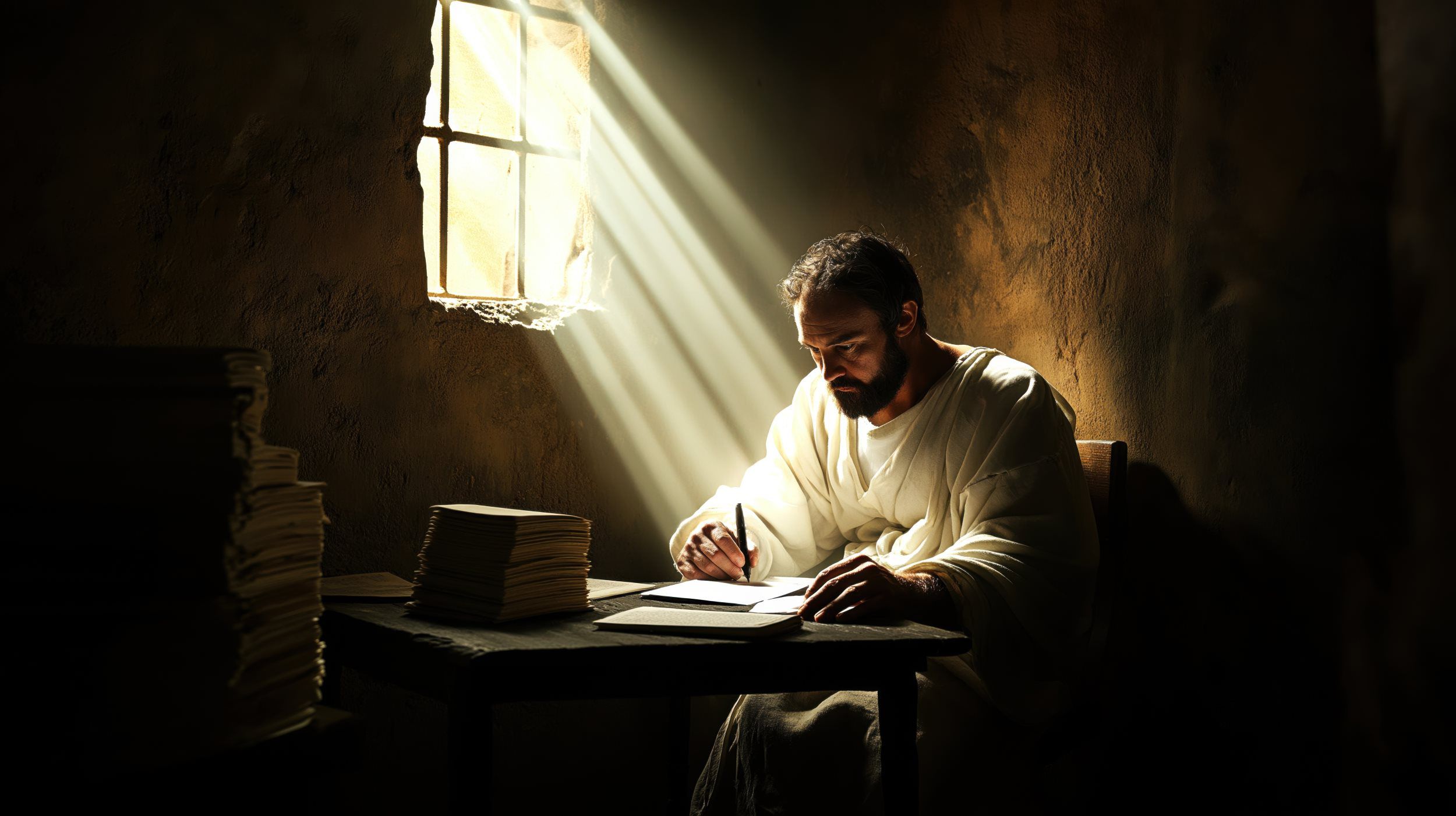
1 Thessalonians Chapter 3 offers a deeply personal look into the heart of faithful ministry. This study explores Paul’s concern for believers facing affliction, the role of encouragement in strengthening faith, and the joy that comes from steadfastness in the Lord. Through separation, suffering, and prayer, Chapter 3 reminds us that spiritual growth is nurtured through love, perseverance, and hope in Christ’s coming.

Chapter 4 calls believers to live in a way that pleases God through sanctification, growing brotherly love, and a quiet, disciplined life that reflects integrity. Holiness shapes daily conduct, relationships, and work.
The chapter then reframes grief with resurrection hope—not escape from hardship, but confidence beyond it. At Christ’s revealed return, after endurance, believers are raised and gathered to be forever with the Lord. These truths unite holy living with steady hope, strengthening believers to persevere and to comfort one another.

The final chapter of 1 Thessalonians brings everything into focus. Paul moves from instruction to urgency. The Day of the Lord will come suddenly. It will not be hidden, symbolic, or vague. It will be decisive. But for the believer, this chapter is not meant to create fear — it is meant to create clarity. We are called children of light. We are told to be sober, watchful, disciplined, and anchored in hope. The armor of faith, love, and salvation is not passive language — it is active preparation. Chapter 5 reminds us that while wrath comes upon rebellion, believers are appointed to salvation at Christ’s revealed return. Therefore, we do not sleep spiritually. We stand. We encourage one another. We live differently. This chapter closes the letter the same way it began — with steadfast faith, brotherly love, and confident hope in the coming of our Lord Jesus Christ. Holiness prepares us. Watchfulness steadies us. Hope carries us to the end.



 Ask Emet